
Seasonal Mood Changes: When to Seek Help
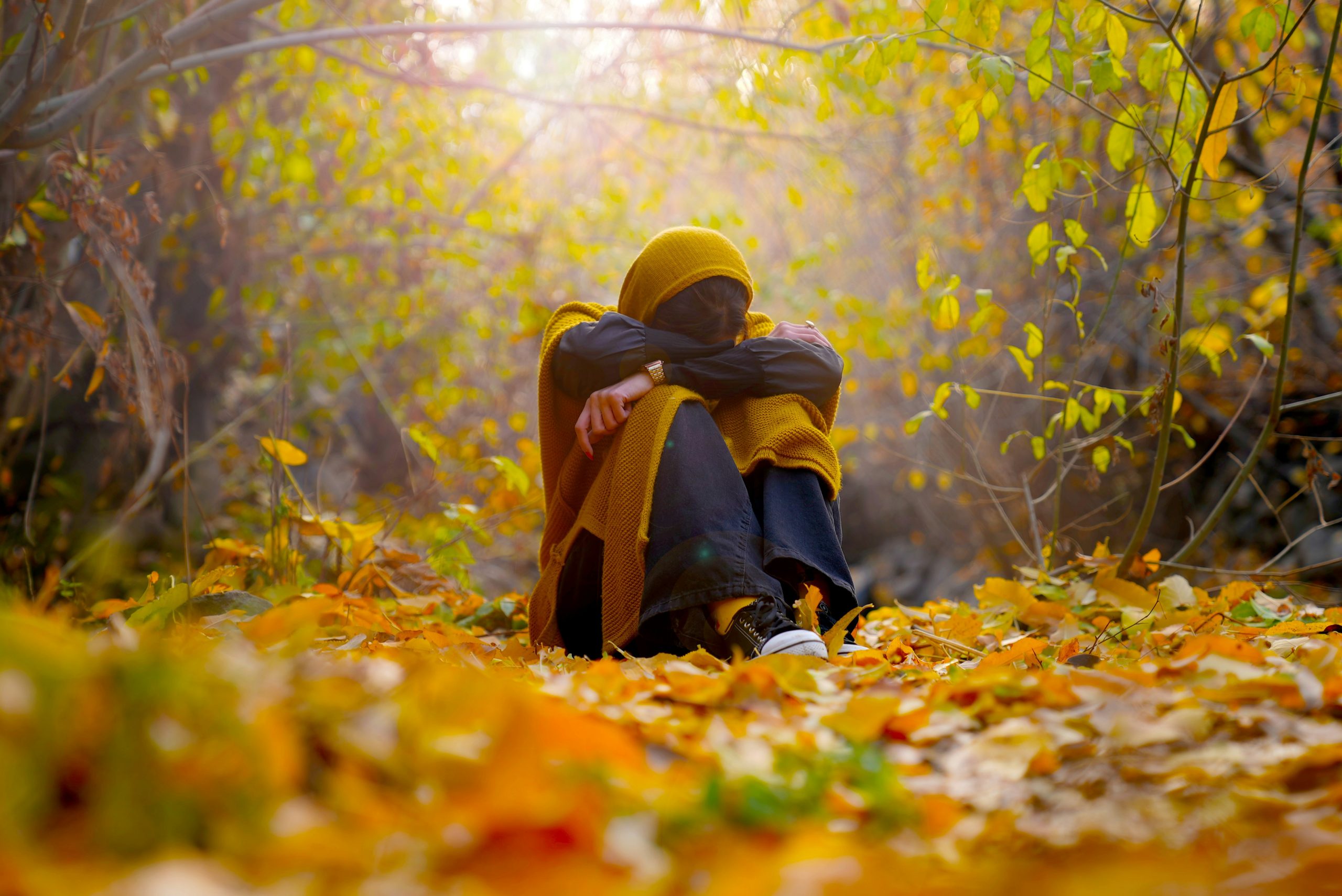
The days are getting shorter. The clocks are about to change. And for a lot of people in Alabama, something inside shifts along with the season.
If you feel flatter, more tired, or more irritable as fall turns to winter, you are not imagining it. Seasonal mood changes are common, and knowing the difference between a mild dip and something that needs support can make this time of year much easier.
What Are Seasonal Mood Changes?
Many people feel “down” when daylight shrinks in fall and winter, then feel better when spring returns. For most, this is a mild case of the winter blues.
For others, it becomes more serious. According to the National Institute of Mental Health, seasonal affective disorder (SAD) is a type of depression that follows a seasonal pattern. Symptoms usually start in late fall or early winter and ease in spring and summer.
A smaller group experiences the reverse, with symptoms that begin in late spring or summer.
Winter Blues vs. Seasonal Affective Disorder
The two can feel similar at first, so it helps to know how they differ.
The winter blues
- Mood dips are mild and come and go
- You can still do your daily tasks
- You feel better on sunnier or busier days
- Symptoms ease on their own
Seasonal affective disorder
- Low mood lasts most of the day, nearly every day
- Symptoms interfere with work, school, or relationships
- Episodes return at the same time of year
- Symptoms last for weeks or months, often about four to five months
NIMH notes that a SAD diagnosis requires depressive episodes during specific seasons for at least two years in a row.
Common Signs to Watch For
Seasonal depression shares many symptoms with other forms of depression. Winter-pattern symptoms often include:
- Low energy and feeling sluggish
- Sleeping much more than usual
- Craving carbohydrates and gaining weight
- Losing interest in things you normally enjoy
- Feeling hopeless, guilty, or worthless
- Trouble concentrating
- Pulling away from friends and family
Not everyone has every symptom. If several of these sound familiar, and they return each year, pay attention.
Does This Happen in Alabama?
Yes, though it may look different here. NIMH explains that SAD is more common the farther north you live, where winter days are shortest. People in the South are less likely to develop it than people in places like Alaska or New England.
That does not mean Alabama residents are immune. Shorter days, the end of daylight saving time, and the pressure of the holiday season can still affect mood. Grief, stress, and loneliness often show up harder in the fall too.
Why the Season Affects Mood
Researchers believe less sunlight can disrupt the body’s internal clock. NIMH points to changes in serotonin and melatonin as likely factors, which can throw off sleep, mood, and energy.
Life circumstances matter as well. Fall and winter often bring:
- Anniversaries of losses
- Financial strain from the holidays
- Family tension
- Less time outdoors and less time with friends
If you already live with depression or anxiety, these seasonal pressures can make symptoms louder.
What Can Help
You can often ease mild seasonal changes with a few steady habits.
Get daylight early. Spend time outside in the morning, even on cloudy days.
Keep a routine. Regular sleep and wake times protect your body clock.
Move your body. A short daily walk can lift energy and mood.
Stay connected. Make plans with friends or family before the weather and your mood tell you to stay in.
Plan for the hard parts. If the holidays or an anniversary are difficult, decide ahead of time how you will care for yourself.
For seasonal depression, treatment options include light therapy, talk therapy, and sometimes medication. NIMH describes light therapy as daily sessions in front of a very bright light box, usually in the morning during fall and winter. Ask a doctor whether it is right for you, especially if you have other health conditions.
When to Talk to a Counselor
Reach out for support if you notice any of the following:
- Your mood has stayed low for more than two weeks
- Sleep, appetite, or energy have changed in ways that worry you
- Work, school, or relationships are suffering
- You feel the same way every year and dread the season coming
- Self-care habits are not enough
Counseling can help you understand your patterns, build coping skills, and prepare before the hardest months arrive. Cognitive Behavioral Therapy is one approach that can help you change the thought patterns that deepen low mood.
If you are having thoughts of suicide or self-harm, call or text 988 to reach the Suicide and Crisis Lifeline right away.
Support for Seasonal Mood Changes in Enterprise, AL
You do not have to wait until you hit bottom. Our depression counseling services help people work through low mood, loss of motivation, and seasonal slumps. If worry rises along with the dark evenings, our anxiety counseling can help too.
Many clients also find support during bigger shifts in life. Our guide to life transitions counseling in Alabama explains how therapy can help when change feels heavy.
Learn more about one-on-one care on our individual therapy page. If the commute feels like too much on a low day, telehealth lets you meet with a therapist from home.
Don’t Let the Season Decide How You Feel
If your mood has been dropping with the daylight, support is available. Our Christian, evidence-based therapists are ready to help.